Mother India
मदर इंडिया
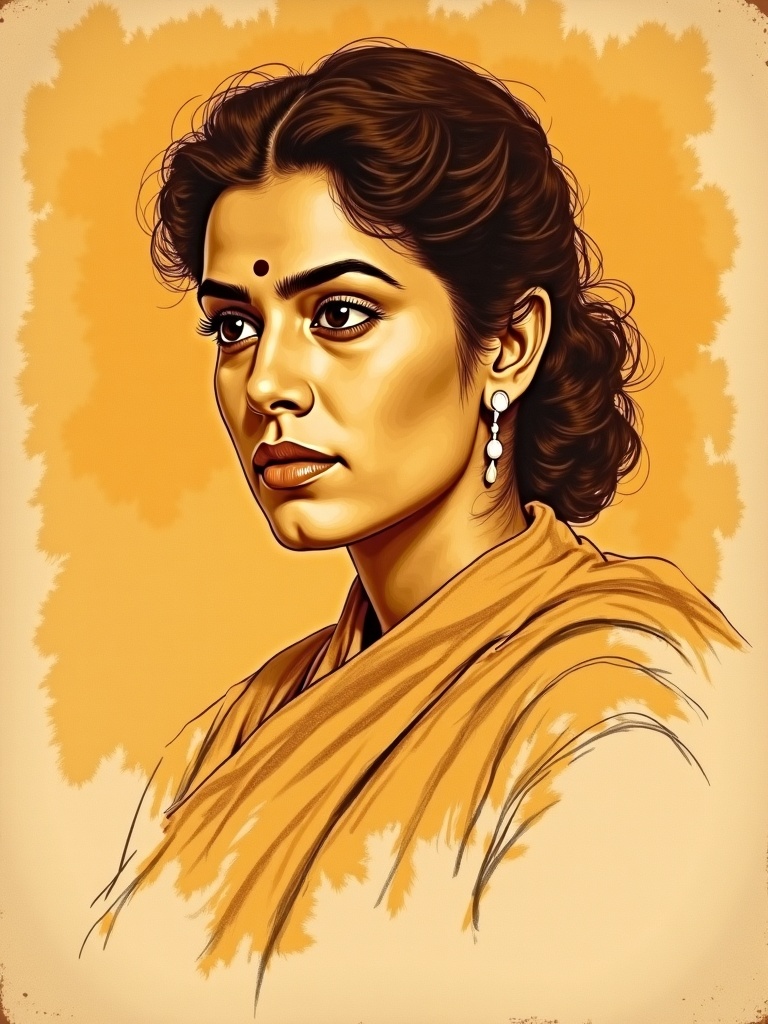
Radha, a resilient village woman, struggles against poverty and a predatory moneylender to raise her children and preserve her land. A landmark of Indian cinema that defined the "mother" archetype for generations.
Arguably the most consequential film in Bollywood history. Mother India arrived in 1957, a full decade after Independence, and asked a question that was still raw: What does it mean to survive, as a woman, as a village, as a nation, when every institution has failed you?
Mehboob Khan — a self-taught director who began his career as an extra — poured everything he knew about epic storytelling into this film. The result is part social-realist drama, part mythic allegory. Radha, played with ferocious dignity by Nargis, ploughs the fields herself when her husband abandons her; she resists the moneylender Sukhilala; she makes the impossible choice between her land and her outlaw son.
The film was India's first submission for the Academy Award for Best Foreign Language Film, losing by a single vote to Fellini's Nights of Cabiria. But its real legacy is domestic: every "mother" figure in Hindi cinema since — from Deewaar's Nirupa Roy to the righteous matriarchs of the 1990s — is in conversation with Nargis in that field, face streaked with mud and blood, refusing to break.
The opening song, "Duniya Mein Hum Aaye Hain," is an anthem of endurance. The closing image of a blood-red sun over the village remains one of the most visually searing endings in cinema.
Enjoying this? Mehfil launches 21 July 2026.
Join the waitlistWhere to Watch
Mehfil does not host or stream films. These are links to legal, authorized platforms.